
Top Signs of a Wasp Infestation and When to Call the Experts
Wasps are not just a nuisance but can also pose serious threats to both health and property. Understanding the signs of an infestation is essential in addressing the problem early and efficiently. Recognizing these signs can be the difference between a manageable concern and a full-blown crisis. Knowing when to call in professionals for proper wasp removal will not only save inconvenience but potentially avoid hazardous situations as we delve into the top indicators to watch for around your property.
Spotting Wasps Flying Around Your Property
A common indicator of an infestation is frequent sightings of wasps around your home. This can often be observed in areas like gardens, near windows, or terraces during the warmer breeding season. If you notice them regularly visiting the same areas or swarming around food sources, it suggests they might have established a nest nearby. Paying attention to their flight paths can help identify a hidden nest. Such activity is a clear visual cue pointing toward a problem that requires prompt wasp removal before it escalates.
Discovering Nests Located in Visible Areas
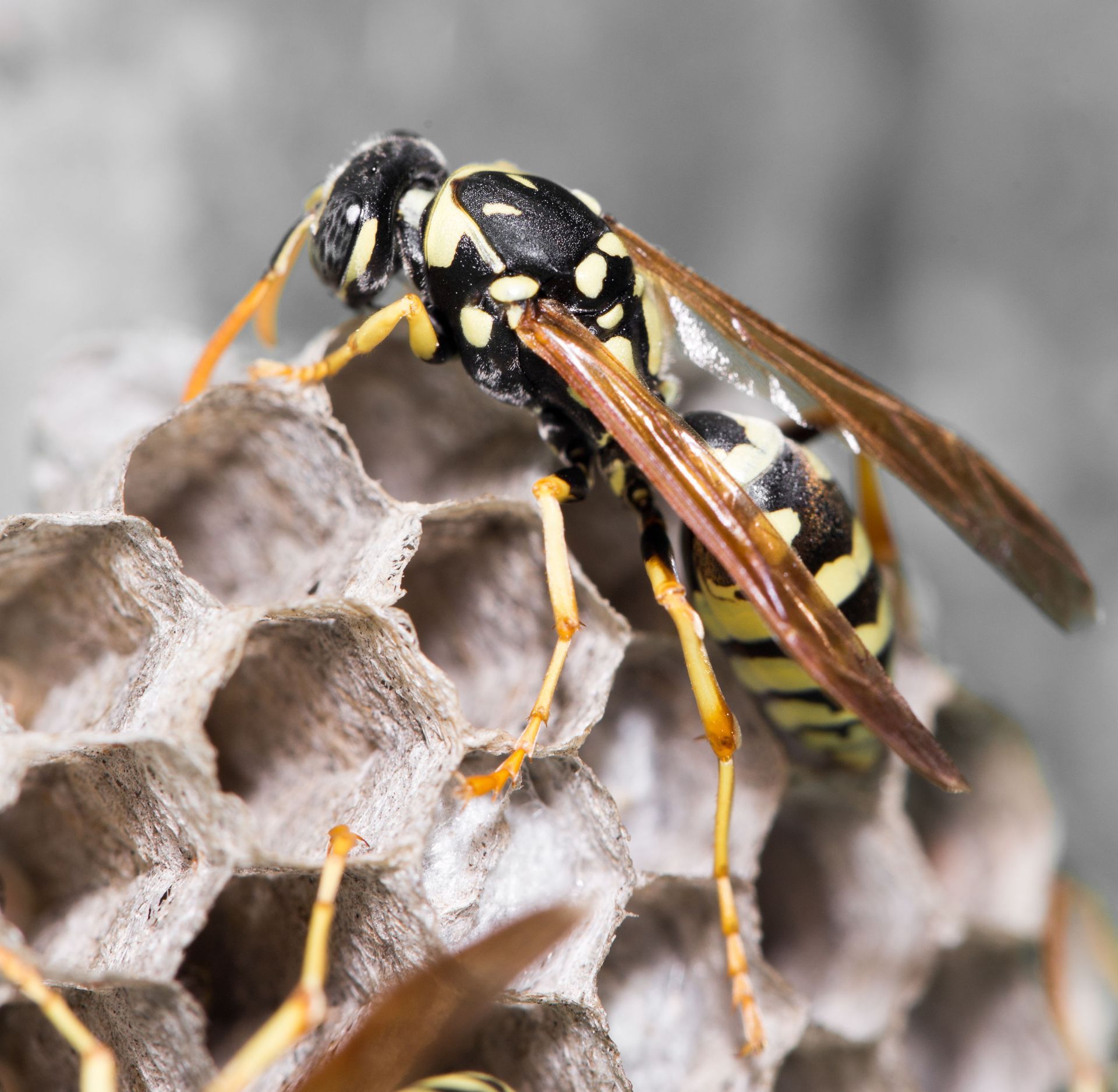
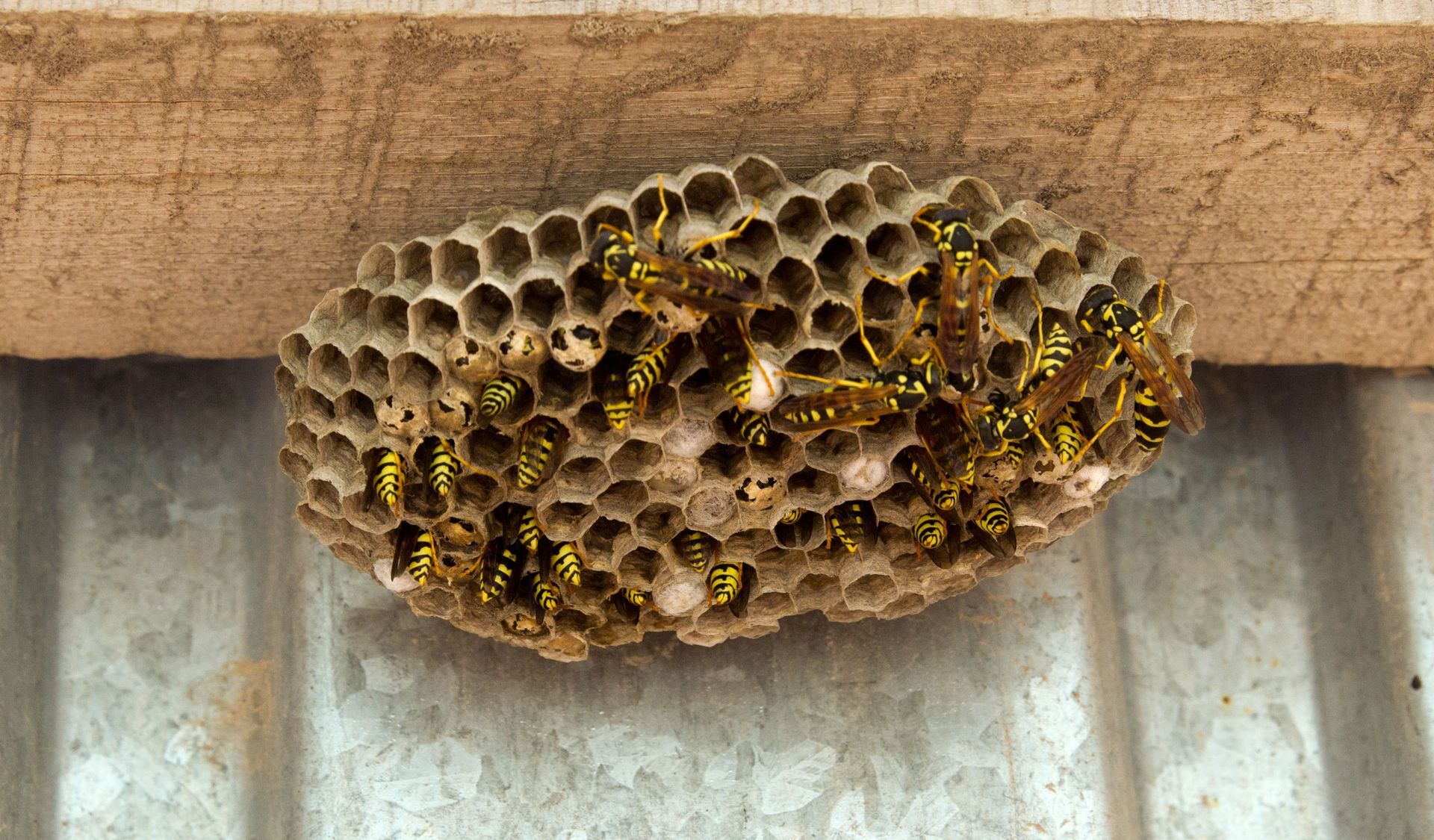
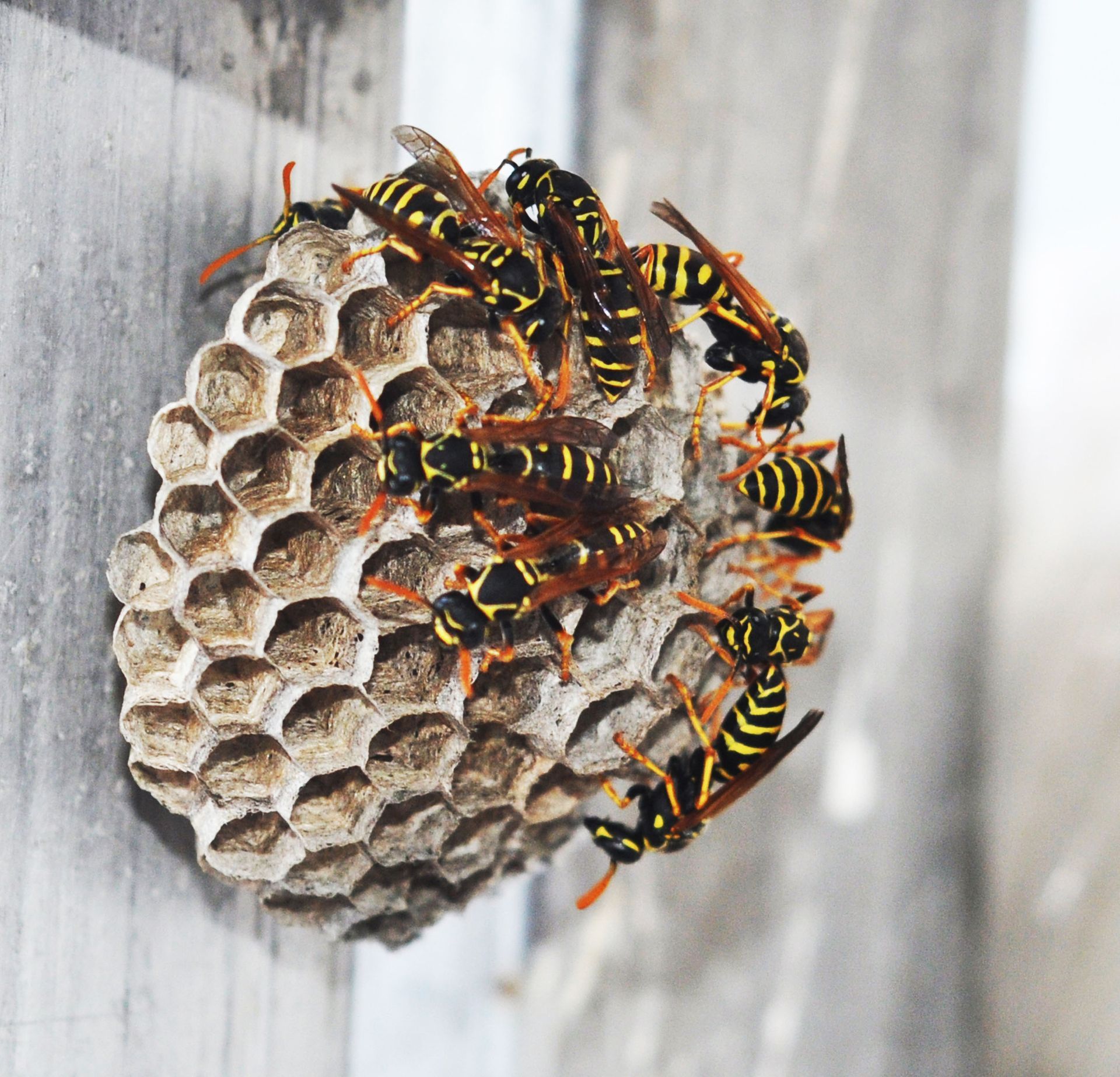
Finding nests in visible areas is a significant red flag for activity. Their nests can vary significantly in size and are generally found in ceiling corners, garages, or attics. As nests grow, they become more conspicuous and are usually constructed from mouth-chewed wood fibers, appearing paper-like. Nests expand rapidly as colonies increase. Attempting to tackle a nest without expertise can lead to aggressive swarming, making professional intervention crucial for your safety.
Examining Eaves and Sheds for Nest Construction
Nests commonly appear in areas renowned for nest construction due to the advantageous shelter and material availability. Eaves, garages, sheds, and tree branches are notable hotspots for building. Regular inspection of these common areas can help preempt and detect nest formation early. Wasps are highly predictable when it comes to selecting nesting habitats, and knowledge of this can guide preventative strategies to protect your home from sudden invasions.
Searching Secluded Corners Within Attics and Walls
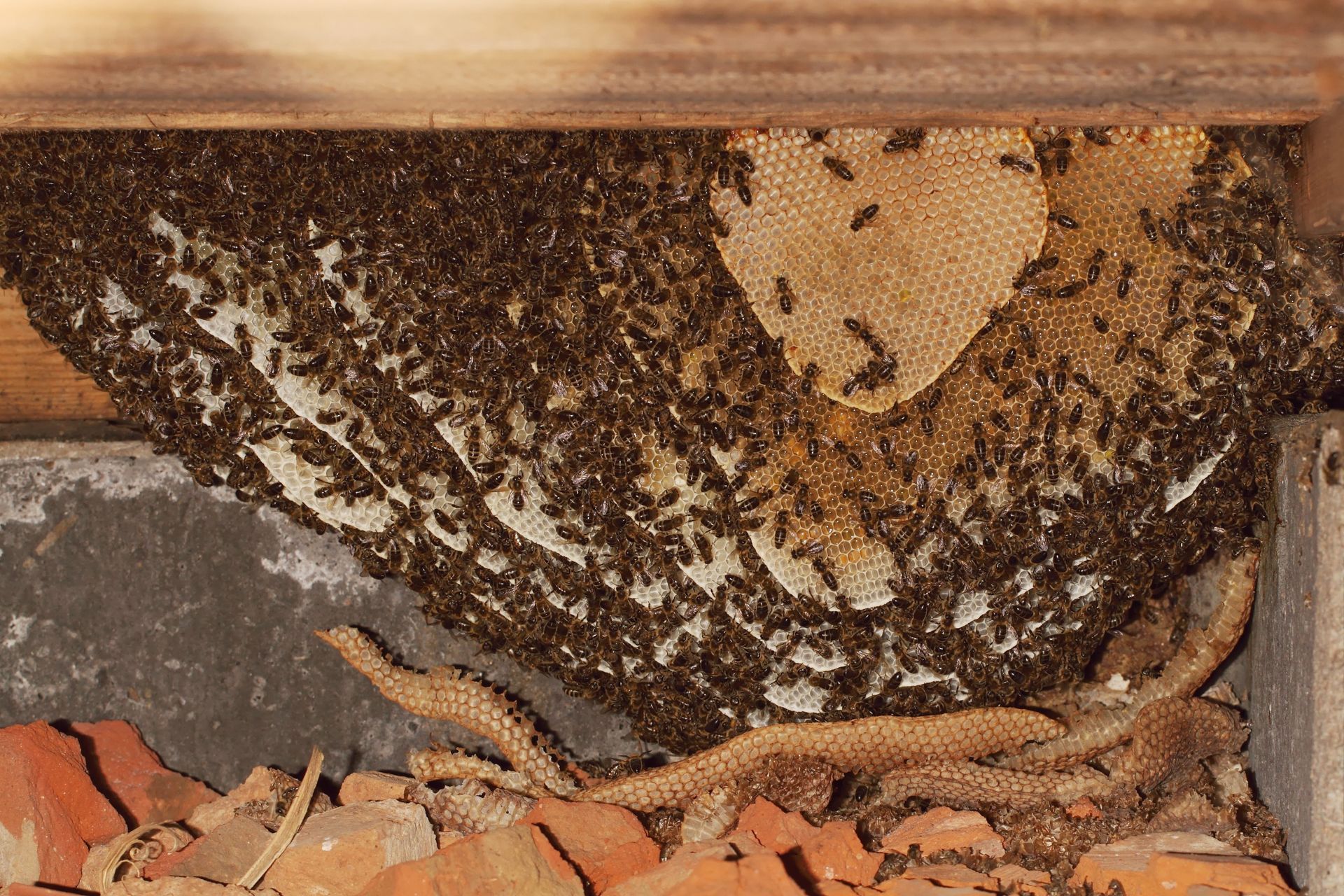
Familiar environmental conditions also include secluded corners within attics or wall cavities. These areas are especially tricky as nests can be less visible until they reach an advanced stage. Wasps prefer building in undisturbed, quiet locations where they feel safe. This serves as a reminder of the importance of routine home examinations. When noting activity around these familiar construction zones, consider them likely candidates for nest formation, requiring thorough observation.
Scrutinizing Areas After Previous Nest Removals
Professionals highlight checking areas after previous nest removals, as colonies tend to return to successful sites. Using preventative measures or deterrents, such as sealing or frequent disruption, may discourage new nests from forming. According to SpringerLink, it highlights that targeted wasp management — specifically utilizing fipronil-based baits — can plummet nest activity by more than 97% in a span of 20 to 38 days.
Identifying Unusual Wood Damage Around Your Property
Wasps use chewed wood fibers to construct their nests, leading to noticeable wood damage around your property. Observing scuffed or unusual wear on wooden fences, sheds, or even furniture could indicate activity. The act of scraping wood leaves behind rough surfaces, and sometimes even visible paths on your structure. This type of damage is a clear visual clue often overlooked until significant. Taking note of these subtle hints can signal the beginning of a presence that needs immediate wasp removal.
Mitigating Damage Caused by Wood-Boring Wasp Species
Some species are particularly notorious for causing significant wood damage. Carpenter wasps, for example, bore into wood, creating smooth but harmful tunnels. Unlike termites, they do not consume the material entirely, but the result is still distressing. Regular inspection and swift intervention with appropriate pest control measures can mitigate this issue. Consulting with professionals ensures accurate diagnosis and prevention strategies, securing your property from future structural degradation and infestations.
Finding Paper-Like Nest Material Near Your Home
Nest material, primarily chewed wood pulp, is another significant clue for identifying activity. This material is easy to spot, resembling a gray, paper-like consistency. Wasps create this material by mixing chewed fibers with their saliva to form the walls and cells of their nests. Discovery of such material scattered or visibly attached to surfaces around your home should not be dismissed. Even small fragments of this material warrant further investigation and professional wasp removal.
Listening for Persistent Buzzing Sounds Near Cavities
One of the most notorious signs of an infestation is the distinct buzzing sound they produce. Persistent buzzing is commonly heard in hot spots such as gardens, rooftops, or wall cavities. This sound becomes especially intense near nests. Amplified buzzing around specific places can very well imply escalating activity within nests. Listening for this auditory cue can effectively pinpoint areas requiring closer examination and targeted remediation.
Hearing Subtle Rustling Sounds Inside Your Walls
Rustling sounds emanating from the walls can signify nests located in cavities or between structural layers. Unlike buzzing, rustling might not immediately draw attention, being subtle and intermittent. Homeowners often dismiss these sounds, mistaking them for harmless pests or structural noise. The reality, though, is that they are indicative of a potential nest settling deeper within the property. The consistent presence of such sounds should prompt a more thorough inspection of the area.
Detecting Strange Noises Emanating From Attics and Sheds
Attics and sheds serve as primary candidates for nests due to their ample space and lesser disturbances. Sounds such as random buzzing or persistent knocking as they hit windows are significant indicators. These noises typically escalate during warmer months when they venture out to forage and return with resources. Quiet corners or storage areas can become breeding grounds during prime activity seasons. Monitoring for unexpected sounds is necessary to identify this risk promptly.
Feeling Unusual Vibrations Radiate Through Heavily Infested Structures
Intense activity can produce vibrations throughout structures, especially in heavily infested areas. This significant indication can be felt near compromised walls. A particularly robust indication of activity involves structures vibrating due to relentless wing movement within packed nests. If you notice intensified structural vibrations coinciding with visual or audio cues, urgently seek professional advice to address the immense concentration within the confined area.
Providing Comprehensive Solutions for Flying Stinging Insect Control
When the problem expands, professional intervention is the safest path. We manage flying stinging insect control services, including carpenter bees, bumblebees, wasps, cicada killers, yellow jackets, European hornets, honeybees, ground bees, mud wasps, paper wasps, and bald-faced hornets. These comprehensive services ensure that every flying threat is handled safely. Proper identification of the specific pest is crucial for ensuring long-term safety on your property, so you can enjoy your outdoor spaces again.
Managing Aggressive Encounters During the Active Breeding Seasons
Heightened aggression is a substantial indicator warranting attention due to potential implications. These giveaway cues emerge particularly during breeding seasons and may prove concerning to pet owners or families with small children. They often perceive any home zone intruder as a threat. The likelihood of attacks increases correspondingly with insects feeling on edge or alarmed. Such encounters read as immediate calls to action requiring comprehensive wasp removal.
Redirecting Focus Towards Remedial Resolutions for Outdoor Enjoyment
When direct aggression occurs, escalating alongside nest activity also detracts significantly from outdoor enjoyment. Protective swarms circling preset territorial nests imbue dwelling locations with deliberate menace. Understanding these phenomena prevents casual disturbances perceived as antagonizing swarms, unleashing unwarranted assaults. Examining warming aggressivity highlights the reality that valuable solutions are needed swiftly for proper wasp removal to restore peace.
Swarming instills formidable perceived territorial dominance among varied public domains, leading undoubtedly to disproportionate responses. When you are ready to reclaim your outdoor spaces safely, turn to us at Midwest Bee Removal. We offer complete wasp removal to keep our communities serene and secure. Avoid attempting unproven methods that might exacerbate the issue without a comprehensive understanding of the problem. Visit our website to learn more and schedule your consultation today.
Share On: